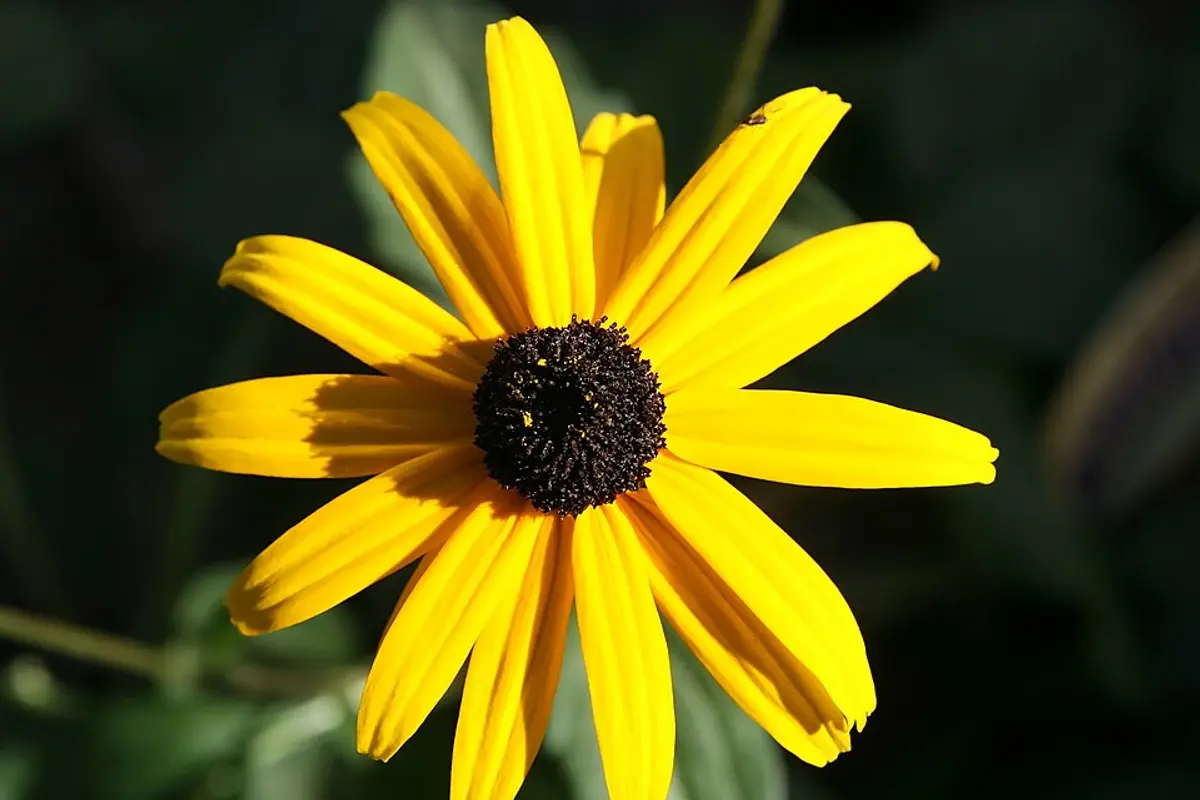
Black-eyed Susan 'Goldsturm'
Rudbeckia fulgida 'Goldsturm'
The classic, award-winning black-eyed Susan — bold golden daisies with dark cones over a long summer-to-fall season, and one of the most widely planted perennials in America.
Keep reading Show less
Rudbeckia fulgida ‘Goldsturm’ is arguably the most recognizable black-eyed Susan in American gardens — bold, golden-yellow daisies with near-black cones held on sturdy stems, blooming in dense clumps from midsummer straight through fall. It’s a garden mainstay for good reason: reliable, tough, and covered in flowers for months.
A proven, award-winning performer
Few perennials have earned as much recognition as ‘Goldsturm.’ Its combination of drought tolerance, long bloom time, and adaptability to average or poor soils has made it a staple of naturalistic and formal plantings alike, from highway medians to cottage gardens.
Care tips
Plant in full sun to light shade in well-drained soil — it tolerates clay and poor soils without complaint. Water regularly while establishing; afterward it handles dry spells well. Deadhead to keep the flowers coming, cut the whole plant back after frost, and divide congested clumps every few years to maintain vigor.
Fun Fact
'Goldsturm' was named the Perennial Plant of the Year in 1999 by the Perennial Plant Association and holds the Royal Horticultural Society's Award of Garden Merit — a testament to just how tough and dependable this black-eyed Susan really is.
Habitat & form
Where it's from and what to expect.
- Native range
- Garden cultivar of the species native to eastern and central North America
- Plant type
- Perennial
- Mature size
- Grows 18–24 in. tall (to about 3 ft in bloom) and 18–24 in. wide, forming dense clumps.
- Bloom
- Golden-yellow daisies with dark brown-black cones from midsummer through fall.
- Hardiness
- USDA zones 3–9.
Care
How to keep it happy.
- Sunlight
- Full sun to light shade.
- Water
- Average water needs; quite drought-tolerant once established.
- Soil
- Average, well-drained soil; adaptable to clay and poor soils.
- Planting distance
- 18–24 in apart.
- Propagation
- Divide in spring or fall
- Pruning
- Deadhead to extend bloom; cut back after frost or in early spring, and divide crowded clumps every 3–4 years.
- Pet safety
- Non-toxic