Bee Balm
Monarda didyma 'Balbalmose'
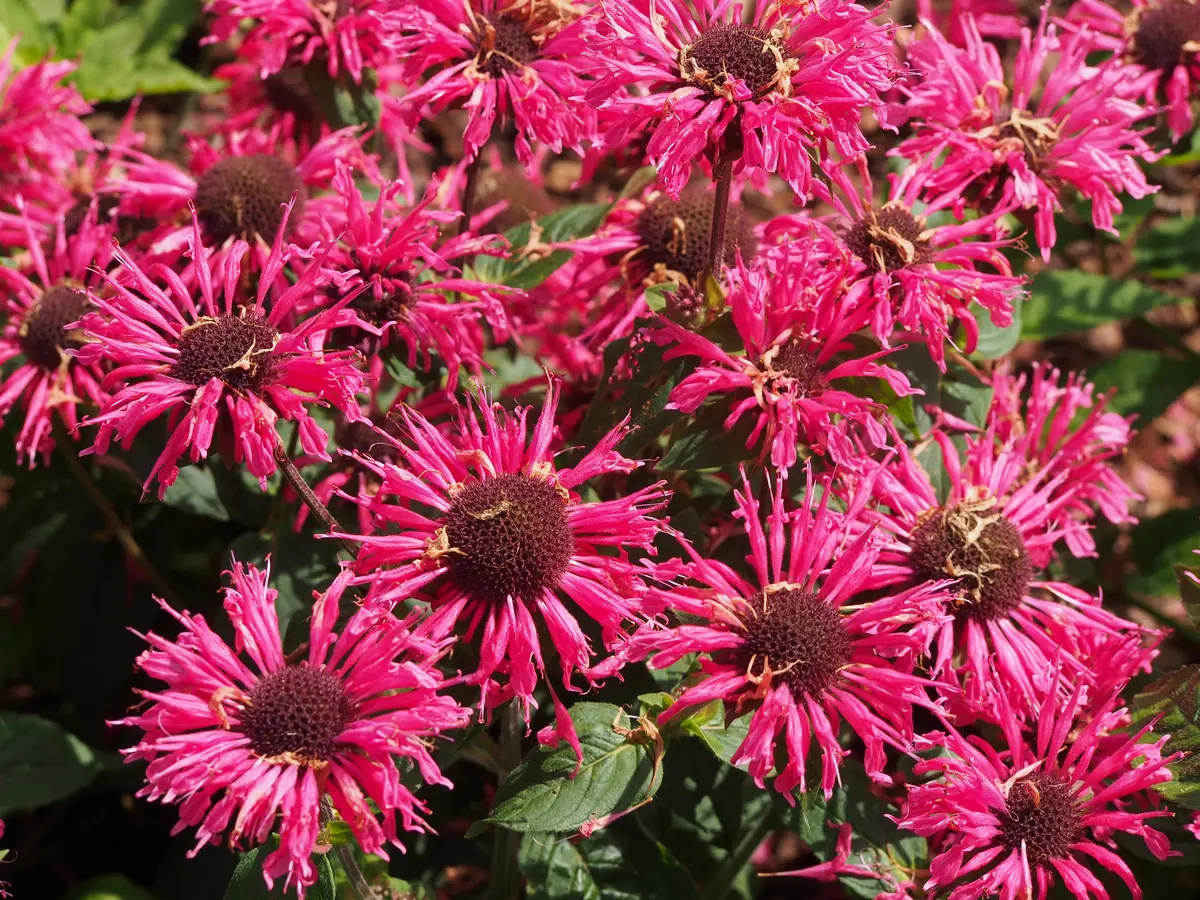
Balmy™ Rose — a knee-high, mildew-resistant bee balm topped all summer with shaggy crowns of rose-pink flowers that hummingbirds, bees and butterflies can't resist.
Keep reading Show less
Monarda didyma ‘Balbalmose’ — sold as Balmy™ Rose — is a compact, modern selection of scarlet bee balm, a clump-forming perennial in the mint family (Lamiaceae) native to eastern North America. Where the wild species can flop at 3–4 feet, this one stays a neat 10–12 inches, making it easy to place at the front of a border or in a container while keeping all the pollinator appeal.
A magnet for pollinators
Through the summer it carries rounded, slightly shaggy heads of rose-pink, two-lipped tubular flowers, each subtended by a whorl of leafy bracts. Hummingbirds, long-tongued bees and butterflies work the blooms constantly, and the aromatic foliage is left alone by deer and rabbits.
Care tips
Bee balm’s one weakness is powdery mildew, which strikes hardest on dry, crowded, poorly ventilated plants. This Balmy-series selection was bred for strong mildew resistance, but you’ll still get the best results in rich, evenly moist soil with good air movement and full sun. Deadhead to extend bloom, divide every couple of years to keep clumps fresh, and consider leaving some hollow stems standing over winter — native bees nest inside them.
Fun Fact
Bee balm is in the mint family, and its crushed leaves smell of bergamot. The Oswego people — and later American colonists boycotting British tea after the Boston Tea Party — brewed those leaves into a fragrant 'Oswego tea'.
Habitat & form
Where it's from and what to expect.
- Native range
- Eastern North America (the species)
- Plant type
- Perennial
- Mature size
- Compact: a tidy mound about 10–12 in. tall and wide — a fraction of the 3–4 ft height of common bee balm.
- Bloom
- Rounded clusters of ruffled, rose-pink tubular flowers through summer. Deadhead to keep the flowers coming.
- Hardiness
- USDA zones 4–9.
Care
How to keep it happy.
- Sunlight
- Full sun for the best flowering; tolerates part shade.
- Water
- Moderate to high; keep the soil consistently moist, especially in heat. Drought stress invites powdery mildew.
- Soil
- Rich, moist, well-drained soil; tolerates clay and occasional wet feet. Give it good air circulation to discourage mildew.
- Planting distance
- 12–15 in apart, based on this compact selection's mature spread.
- Propagation
- Divide in spring
- Pruning
- Shear spent blooms to rebloom. Cut stems back in late winter — or leave 12–24 in. of the hollow stems standing for native stem-nesting bees. Divide every 2–3 years; this Balmy selection resists the powdery mildew that plagues older bee balms.
- Pet safety
- Non-toxic